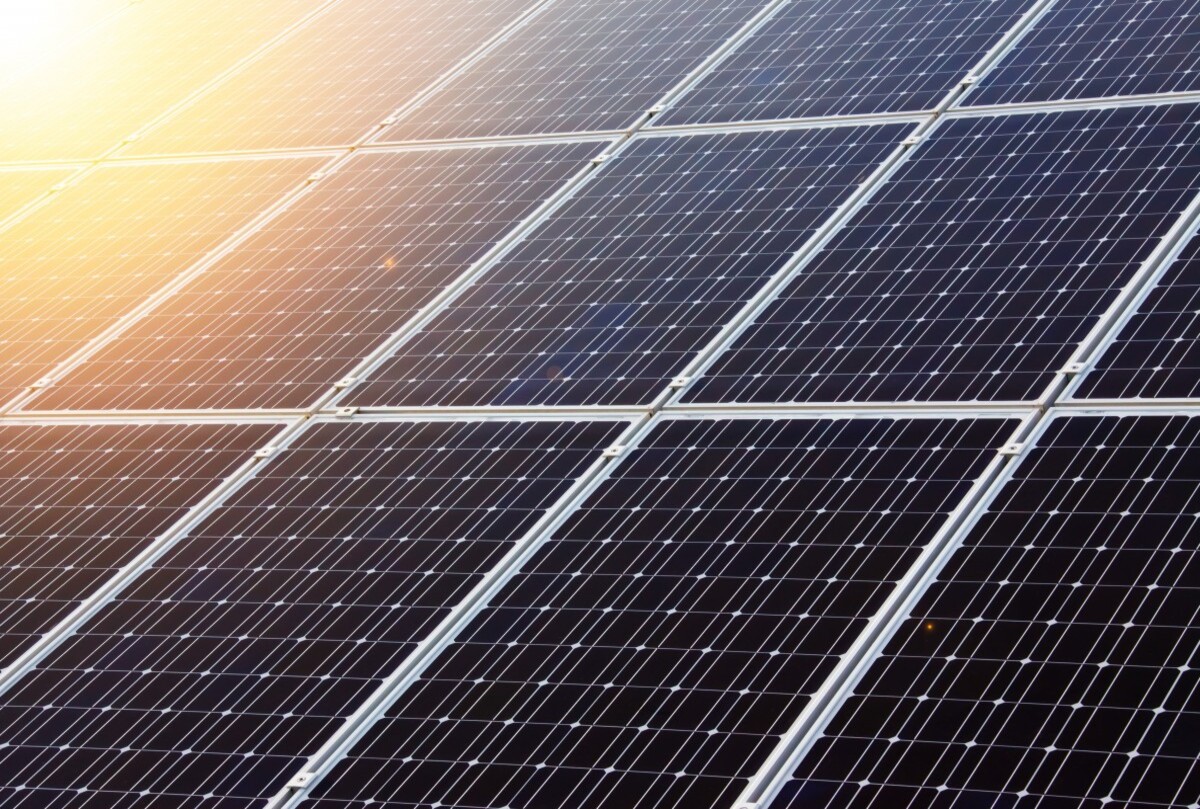
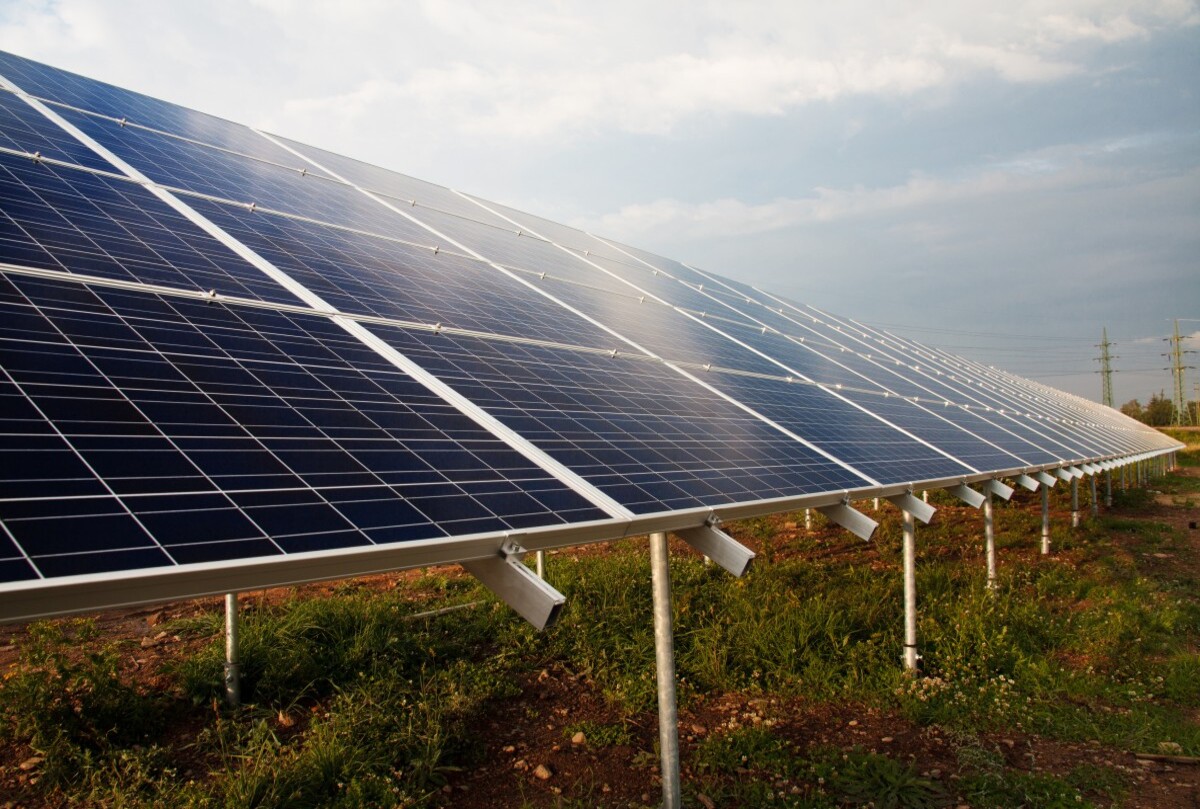
Renewable energy systems utilize natural resources that replenish over time, such as solar, wind, hydropower, geothermal, and biomass, to generate electricity and heat. These systems are crucial for reducing reliance on fossil fuels, mitigating climate change, and enhancing energy security. Common Renewable Energy Sources and Systems: Solar Energy: Harnessing the sun’s energy through photovoltaic (PV) panels or concentrated solar power (CSP) systems. Wind Energy: Utilizing wind turbines to convert kinetic energy into electricity. Hydropower: Generating electricity from the force of moving water, often through dams. Geothermal Energy: Tapping into the Earth’s internal heat for heating, cooling, and electricity generation. Biomass Energy: Utilizing organic matter, like wood or agricultural residues, for energy production. Key Advantages of Renewable Energy Systems: Environmental Sustainability: Renewable energy sources produce minimal greenhouse gas emissions, helping to combat climate change. Resource Availability: Renewable resources are virtually inexhaustible, unlike fossil fuels. Energy Independence: Renewable energy systems can reduce reliance on imported energy sources, bolstering energy security. Economic Development: The renewable energy sector creates jobs and stimulates economic growth in local communities. Integration and Future Trends: Hybrid Systems: Combining different renewable energy sources (e.g., solar and wind) to create more reliable and efficient systems. Energy Storage: Developing energy storage technologies (e.g., batteries, pumped hydro) to address the intermittency of some renewable sources. Smart Grids: Integrating renewable energy sources into smart grids to optimize energy distribution and consumption. Distributed Generation: Deploying renewable energy systems at the local level (e.g., rooftop solar) to reduce transmission losses and empower communities. In conclusion, renewable energy systems offer a sustainable, reliable, and economically viable path towards a cleaner energy future. Continued innovation and investment in renewable energy technologies will be essential to accelerate the global transition to a low-carbon energy system.
Category: Solar Services
Solar Energy Solutions
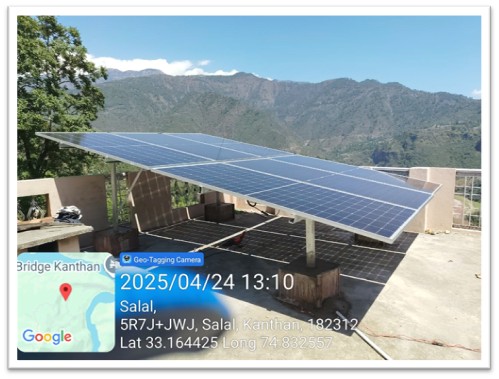
Why Go Solar ? Electricity rates range from ?5.50 to ?7.00 per unit. Rooftop solar systems can pay for themselves in 4–5 years. You can reduce your monthly bill from ?3,000 to ?10,000 depending on system size. If you’re thinking about integrating solar into a creative or tech project, I can help you brainstorm ideas or even simulate energy savings. Want to explore how solar could power something you’re building? Government Support & Subsidies JAKEDA (Jammu & Kashmir Energy Development Agency) is the nodal body for solar initiatives in the region. Under the PM Surya Ghar Muft Bijlee Yojana, households can get up to 60% subsidy for systems up to 2 kW and 40% for 2–3 kW systems. Net metering allows you to sell excess electricity back to the grid, reducing your bills even further.
Solar Panels
Solar panels, also known as photovoltaic (PV) modules, are one of the most significant innovations in sustainable energy. They convert sunlight directly into electricity, making them a key component in the transition from fossil fuels to renewable energy. With advancements in technology, solar panels have become more efficient, affordable, and widely adopted across residential, commercial, and industrial sectors. This document provides an in-depth overview of solar panels as a product, covering their structure, specifications, benefits, types, and applications. Product Overview What Are Solar Panels? Solar panels are devices that absorb sunlight and convert it into electricity using the photovoltaic effect. A typical solar panel consists of numerous solar cells made from semiconductor materials such as silicon. These cells are connected and protected in a weatherproof casing, usually with tempered glass and an aluminum frame. Key Components: Solar Cells: The functional units that capture sunlight. Tempered Glass: Protects cells from environmental damage. Encapsulant Film: Binds the glass, cells, and backing sheet. Backsheet: Provides insulation and protection. Aluminum Frame: Offers structural support. Junction Box: Connects panels to the electrical system. Types of Solar Panels There are three main types of solar panels: Monocrystalline Solar Panels Made from a single crystal structure. Recognizable by their uniform black appearance. Highest efficiency rates (18–23%). Longest lifespan. Ideal for limited roof space. Polycrystalline Solar Panels Made from silicon fragments melted together. Blueish hue with a shattered-glass look. Slightly lower efficiency (15–17%). More affordable. Good for large open areas. Thin-Film Solar Panels Made from a variety of materials (e.g., CdTe, CIGS). Flexible and lightweight. Lower efficiency (10–13%). Best for portable or irregular installations. Technical Specifications (Typical for 450W Monocrystalline Panel) Specification Details Power Output 450 Watts Efficiency 21.2% Voltage (Vmp) 41.5 Volts Current (Imp) 10.84 Amps Open Circuit Voltage (Voc) 49.5 Volts Short Circuit Current (Isc) 11.4 Amps Dimensions 2108 x 1048 x 35 mm Weight 23.5 kg Temperature Coefficient -0.35%/°C Frame Anodized aluminum Glass High-transparency tempered glass Protection Rating IP68